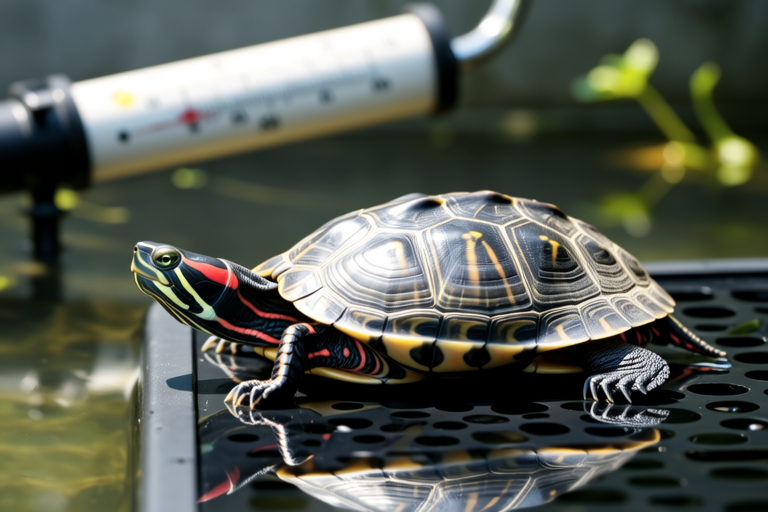
Welcome to Your Red-Eared Slider Care Guide
Bringing home a red-eared slider (Trachemys scripta elegans) can be an exciting addition to your family. However, these semi-aquatic turtles have specific needs that must be met to ensure their health and happiness. This guide will walk you through everything you need to know about caring for your red-eared slider, from setting up the perfect habitat to maintaining water quality and providing a balanced diet.
Understanding Your Turtle’s Natural Environment
Red-eared sliders originate from the Mississippi River Valley in North America, where they live in slow-moving rivers, ponds, and lakes. They spend most of their time in the water but also require dry land for basking under the sun. Understanding this natural environment is crucial for creating a suitable living space for your turtle.
Selecting the Right Size Tank
The size of the tank or pond you choose for your red-eared slider is critical. A general rule is to provide at least 10 gallons of water per inch of shell length for juvenile turtles. As your turtle grows, so should its habitat. For example, a young turtle with a 3-inch shell might need a 30-gallon tank, while an adult with a 6-inch shell could require a 60-gallon tank or even a custom-built pond.
Proper Habitat Setup
Aquatic Area
The aquatic area should be large enough for swimming and diving. Equip it with a powerful filter to maintain water cleanliness and a submersible heater to keep the water temperature between 75-80°F (24-27°C). Regularly clean the filter and replace the water to prevent bacterial growth.
Basking Area
A well-designed basking area is essential for your turtle’s health. It should be easily accessible from the water and provide a warm, dry surface for your turtle to rest. Use a platform made of rocks or wood, ensuring it is stable and cannot tip over. Position a heat lamp above the basking area to maintain a temperature of 90-95°F (32-35°C).
UVB Lighting
Your red-eared slider requires UVB light to synthesize vitamin D3, which aids in calcium absorption. Install a high-quality UVB lamp that covers at least half of the tank’s surface. Replace the bulb every six months or according to the manufacturer’s instructions to ensure effectiveness.
Maintaining Water Quality
Water quality directly impacts your turtle’s health. Regularly test the water for pH levels, ammonia, nitrite, and nitrate concentrations. Perform partial water changes weekly and clean the filter regularly. Avoid overcrowding the tank, as too many turtles can lead to poor water quality.
Feeding Your Red-Eared Slider
Red-eared sliders are omnivores with a diet consisting mainly of commercial turtle pellets, supplemented by fresh vegetables and occasional protein sources like earthworms, crickets, or fish. Feed juveniles daily and adults every other day. Offer only the amount they can consume within 15 minutes to prevent overfeeding and waste buildup.
Common Mistakes to Avoid
Improper Habitat Setup
Failing to provide adequate space, temperature, and lighting can lead to stress and health issues. Ensure your turtle has enough room to swim and bask comfortably.
Incorrect Diet
Overfeeding or feeding inappropriate foods can cause obesity and nutrient imbalances. Stick to a balanced diet rich in vitamins and minerals.
Inadequate UVB Lighting
Lack of UVB light can result in metabolic bone disease, leading to weakened bones and deformities. Always provide sufficient UVB exposure.
Temperature Regulation
Temperature control is vital for your turtle’s metabolism and digestion. Maintain a consistent temperature gradient throughout the tank, allowing your turtle to thermoregulate by moving between warmer and cooler areas.
Handling Techniques
Handle your turtle gently and infrequently to minimize stress. Wash your hands before and after handling to prevent the spread of bacteria. Never pick up your turtle by its tail, as this can cause injury.
Regular Health Check-Ups
Schedule annual visits with a veterinarian specializing in reptiles. Monitor your turtle’s appetite, activity level, and overall appearance for any signs of illness. Early detection and treatment can prevent more severe health problems.
Conclusion
Caring for a red-eared slider is a rewarding experience when done correctly. By understanding their natural environment and meeting their specific needs, you can provide your turtle with a happy and healthy life. Remember, a well-cared-for turtle can live for decades, so invest the time and effort into creating the best possible home for your new pet.
