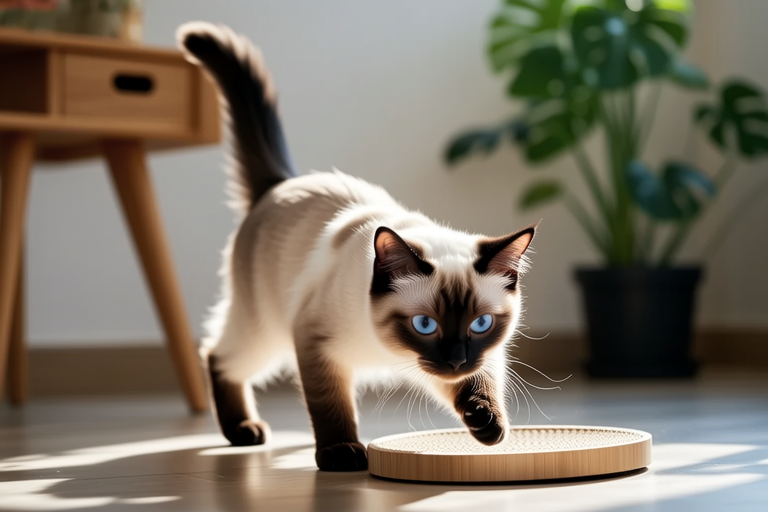
Top Tips for Raising a Happy and Healthy Siamese Cat at Home
The Siamese cat is a breed that has captivated the hearts of many pet owners with its striking appearance and engaging personality. Known for their sleek bodies, distinctive coat patterns, and expressive blue almond-shaped eyes, Siamese cats are intelligent, vocal, and highly social animals. To ensure your Siamese cat leads a happy and healthy life, it’s important to understand their unique traits and provide them with the proper care. This guide will offer you top tips for raising a Siamese cat at home, covering dietary recommendations, exercise needs, grooming tips, social interaction advice, and common health issues to watch for.
Dietary Recommendations
Feeding your Siamese cat a balanced diet is crucial for maintaining their health and well-being. Siamese cats have a higher metabolism compared to other breeds, which means they require more calories per pound of body weight. Choose high-quality commercial cat food that meets the nutritional requirements for your cat’s age, size, and activity level. Look for foods that contain real meat as the primary ingredient and avoid those with fillers or artificial preservatives.
In addition to commercial cat food, you can supplement your Siamese cat’s diet with fresh fruits and vegetables. Fruits like blueberries, apples, and bananas can be given in small quantities as treats. Vegetables such as carrots, peas, and green beans can also be offered as occasional snacks. However, avoid feeding your cat onions, garlic, grapes, raisins, chocolate, caffeine, and alcohol, as these can be toxic to felines.
Siamese cats are prone to obesity, so it’s important to monitor their food intake and portion sizes. Overfeeding can lead to weight gain, which can increase the risk of health problems such as diabetes, arthritis, and heart disease. Use a measuring cup to ensure you’re providing the correct amount of food each day, and consider dividing their meals into smaller portions throughout the day. Providing interactive feeding toys, such as puzzle feeders, can also help keep your Siamese cat mentally stimulated while encouraging them to work for their food.
Exercise Needs
Siamese cats are known for their playful and energetic nature. They enjoy engaging in activities that stimulate both their minds and bodies. Regular exercise is essential for maintaining their physical health and preventing boredom-related behaviors such as scratching furniture or excessive vocalization. Here are some ways to keep your Siamese cat active:
- Interactive Toys: Invest in interactive toys that encourage your cat to chase, pounce, and leap. Fishing pole toys, laser pointers, and feather wands are popular choices. These toys can be used during play sessions to mimic hunting behavior and provide mental stimulation.
- Climbing Structures: Install cat trees or climbing shelves to give your Siamese cat vertical spaces to explore. Climbing structures not only provide exercise but also allow your cat to observe their surroundings from elevated positions.
- Playtime: Spend at least 15-20 minutes each day playing with your cat. This can include chasing games, fetch, or simply tossing toys for them to catch. Playing with your Siamese cat strengthens your bond and provides them with much-needed exercise.
- Environmental Enrichment: Create an enriched environment by providing various toys, tunnels, and boxes for your cat to explore. Rotate their toys regularly to keep things interesting and prevent boredom.
Remember that Siamese cats are highly intelligent and can become bored easily if they don’t have enough stimulation. Providing a variety of toys and activities will help keep your cat engaged and mentally sharp.
Grooming Tips
Siamese cats have short, fine coats that require minimal grooming. However, regular grooming is still important to maintain their coat’s health and prevent matting. Here are some grooming tips for your Siamese cat:
- Bathing: Siamese cats typically don’t need frequent baths, but occasional bathing can help remove dirt and dander. Use a mild, pH-balanced cat shampoo and warm water. Be sure to thoroughly rinse all soap from their fur to avoid irritation.
- Brushing: Brush your Siamese cat’s coat once or twice a week to remove loose hair and prevent shedding. A soft-bristled brush or grooming mitt is suitable for their short fur. Pay extra attention to areas where shedding may be more noticeable, such as behind the ears and on the tail.
- Nail Trimming: Trim your cat’s nails every two weeks to prevent overgrowth and discomfort. Use nail clippers designed for cats and be careful not to cut the quick, which contains blood vessels and nerves. If you’re unsure about trimming your cat’s nails, consult a professional groomer or veterinarian for guidance.
- Toothbrushing: Dental hygiene is crucial for your Siamese cat’s overall health. Brush their teeth daily using a cat-specific toothpaste and toothbrush. Alternatively, you can provide dental treats or toys that promote oral health. Regular dental care helps prevent periodontal disease and bad breath.
- Eyecare: Siamese cats are prone to tear staining, which can cause brownish discoloration around their eyes. Wipe their eyes gently with a damp cloth to remove any discharge or debris. Consult your veterinarian if you notice excessive tearing or redness, as this could indicate an underlying issue.
Regular grooming sessions not only keep your Siamese cat looking their best but also provide an opportunity for bonding and monitoring their overall health. Take note of any changes in their skin, coat, or behavior during grooming sessions and address any concerns promptly.
Social Interaction Advice
Siamese cats are highly social animals that thrive on human companionship. They enjoy being around people and often form strong bonds with their owners. Here are some tips for fostering a positive relationship with your Siamese cat:
- Quality Time: Spend quality time with your cat each day. Engage in activities such as playing, cuddling, or simply sitting together. Siamese cats appreciate companionship and may become anxious or depressed if left alone for long periods.
- Communication: Siamese cats are known for their vocal nature and often communicate through meowing, chirping, and trilling. Encourage your cat to communicate by responding to their sounds and paying attention to their body language. This helps strengthen your bond and ensures you understand their needs.
- Positive Reinforcement: Reward your Siamese cat with treats, praise, or play when they exhibit good behavior. Positive reinforcement training can help shape desired behaviors and create a well-behaved cat.
- Multipet Household: If you have multiple pets, introduce them slowly and under supervision. Siamese cats can get along well with other animals, but introductions should be done gradually to ensure everyone feels comfortable.
- Training: Siamese cats are intelligent and can be trained to perform simple tricks or commands. Use clicker training or treat rewards to teach your cat new behaviors. Training sessions can be fun and rewarding for both you and your cat.
By providing plenty of social interaction and positive experiences, you can help your Siamese cat feel secure and loved. This, in turn, contributes to their overall happiness and well-being.
Common Health Issues to Watch For
While Siamese cats are generally healthy, they are susceptible to certain genetic health conditions. It’s important to be aware of these potential issues and take proactive steps to ensure your cat’s health. Some common health issues in Siamese cats include:
- Hypertrophic Cardiomyopathy (HCM): HCM is a heart condition that causes thickening of the heart muscle. This can lead to reduced heart function and, in severe cases, sudden death. Early detection through regular veterinary check-ups and echocardiograms is crucial for managing this condition.
- Bladder Stones: Siamese cats are prone to developing bladder stones, which can cause urinary tract infections and blockages. Signs of bladder stones include difficulty urinating, blood in the urine, and increased frequency of urination. If you notice any of these symptoms, consult your veterinarian immediately.
- Respiratory Infections: Siamese cats have a higher susceptibility to upper respiratory infections due to their flat faces. These infections can cause sneezing, nasal discharge, and coughing. Keep your cat’s living area clean and well-ventilated to minimize the risk of infection. Vaccinations can also help protect against certain respiratory viruses.
- Eye Problems: Siamese cats are prone to eye conditions such as progressive retinal atrophy (PRA), glaucoma, and corneal ulcers. Regular eye examinations by a veterinarian can help detect and treat these issues early. If you notice any changes in your cat’s vision or eye health, seek veterinary care promptly.
- Allergies: Some Siamese cats may develop allergies to certain foods, environmental factors, or flea bites. Symptoms of allergies include itching, redness, and hair loss. Identifying and eliminating the allergen source is key to managing allergy-related symptoms. Consult your veterinarian for guidance on allergy testing and treatment options.
Regular veterinary check-ups and preventive care are essential for maintaining your Siamese cat’s health. Discuss any concerns or questions with your veterinarian and follow their recommendations for vaccinations, parasite control, and routine screenings.
Conclusion
Raising a happy and healthy Siamese cat requires understanding their unique needs and providing appropriate care. By following the dietary recommendations, meeting their exercise needs, implementing grooming routines, fostering social interactions, and being vigilant about common health issues, you can ensure your Siamese cat thrives in a home environment. Remember that each Siamese cat is an individual, and it’s important to tailor your approach to suit their specific personality and requirements. With love, patience, and proper care, your Siamese cat will bring years of joy and companionship to your home.
