Bengal Cats: The Perfect Blend of Wild Instincts and Domestic Love
The Bengal cat is a unique breed that has captured the hearts of many cat lovers worldwide. Known for their striking appearance and playful demeanor, these felines are the result of careful breeding between domestic cats and Asian leopard cats. This article delves into the origins and history of Bengal cats, their distinctive characteristics, and how they have become beloved pets.
Origin and History of Bengal Cats
The journey of the Bengal cat began in the 1960s when Dr. Willard Centerwall crossed domestic cats with Asian leopard cats. The goal was to create a cat that could serve as a model for studying genetic diseases. However, it wasn’t until the late 1970s that Jean Mill, an American breeder, successfully continued this work. She aimed to develop a cat with the appearance of a wild leopard but with the temperament of a domestic pet. Over several generations, she refined the breed, ensuring that Bengal cats were not only visually stunning but also affectionate and sociable companions.
Unique Characteristics of Bengal Cats
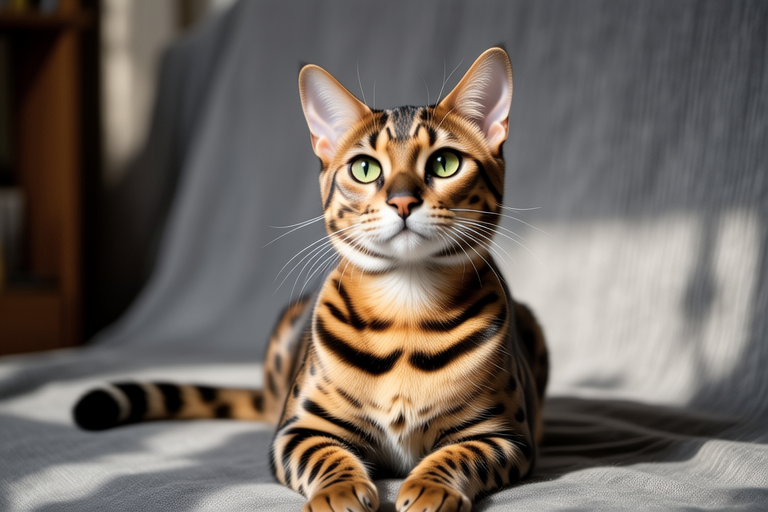
Bengal cats stand out from other domestic breeds due to their sleek, muscular bodies and striking coat patterns. Their fur often features rosettes or marbling, reminiscent of their wild ancestors. These patterns can range from light brown to deep black, creating a mesmerizing contrast against their golden or blue eyes. The eyes of a Bengal cat are one of its most captivating features; they are large, expressive, and framed by dark lines that give the impression of mascara. This combination of wild looks and domestic charm makes Bengal cats truly unique.
Physical Traits
Bengals are medium to large-sized cats with well-defined muscles and a graceful posture. They have short, dense coats that require minimal grooming, though they shed seasonally like most cats. Their agility and strength are evident in their movements, which are fluid yet powerful. Bengals also have distinct facial markings, including a bold M-shaped marking on their forehead and dark stripes running down their cheeks.
Wild Instincts
Bengal cats retain many of their wild ancestors’ behaviors, making them fascinating pets. One of the most notable traits is their love for water. Unlike many domestic cats, Bengals enjoy splashing around in shallow pools or even playing with running water from taps. This affinity for water stems from their wild roots, where staying hydrated was crucial for survival. Another characteristic is their high energy levels; Bengals are active throughout the day and often engage in play sessions that mimic hunting activities.
Adapting to Domestic Life
Despite their wild instincts, Bengal cats adapt remarkably well to domestic environments. They form strong bonds with their owners and can be incredibly affectionate. Many Bengals enjoy being petted and will often seek out attention from their human family members. While they may be more independent than some other breeds, Bengals thrive on interaction and mental stimulation. Providing them with toys and puzzle feeders helps keep their minds engaged and prevents boredom.
Caring for a Bengal Cat
Proper care is essential for maintaining the health and happiness of a Bengal cat. Understanding their dietary needs, exercise requirements, and grooming practices ensures that your Bengal remains vibrant and healthy.
Dietary Needs
Bengals are obligate carnivores, meaning their diet should consist primarily of animal-based proteins. High-quality commercial cat foods formulated for indoor cats are suitable, but you can supplement their diet with fresh meat if desired. It’s important to avoid feeding them excessive amounts of carbohydrates, as this can lead to weight gain and associated health issues. Always consult with a veterinarian before making any significant changes to your cat’s diet.
Exercise Requirements
Due to their high energy levels, Bengals need ample opportunities for physical activity. Interactive toys, climbing structures, and laser pointers provide excellent ways to keep them entertained and prevent destructive behavior. Regular play sessions also help maintain their muscle tone and overall fitness. Engaging in these activities together strengthens the bond between owner and pet.
Grooming
Bengals have short, smooth coats that require little maintenance. Weekly brushing helps remove loose hairs and distributes natural oils throughout the fur. Bathing is generally unnecessary unless absolutely required. As with all cats, regular nail trimming and dental hygiene are important aspects of their care routine. Using positive reinforcement during grooming sessions helps build trust and makes the process easier for both you and your Bengal.
Anecdotes and Stories
Many Bengal owners share heartwarming stories about their pets’ loving nature. One owner recounts how her Bengal cat, named Luna, would follow her everywhere, even joining her on errands. Another story involves a Bengal who saved his owner’s life by alerting him to a fire in the kitchen. These tales highlight the deep emotional connections Bengals can form with their humans.
Conclusion
Bengal cats are indeed the perfect blend of wild instincts and domestic love. Their striking appearance, playful personalities, and strong bonds with their owners make them exceptional pets for those willing to meet their specific needs. With proper care and attention, Bengal cats can bring joy and excitement into any household. Whether you’re drawn to their exotic looks or their energetic spirit, there’s no denying that these magnificent creatures offer a truly unique companionship experience.
