Top 10 Most Fascinating Facts About Chameleons That Will Blow Your Mind
Welcome to an exhilarating journey into the world of chameleons! These captivating reptiles have long fascinated scientists and nature enthusiasts alike with their extraordinary abilities and unique characteristics. In this article, we delve into ten lesser-known facts about chameleons that will leave you amazed and eager to learn more about these incredible creatures.
1. Color-Changing Capabilities Beyond Camouflage
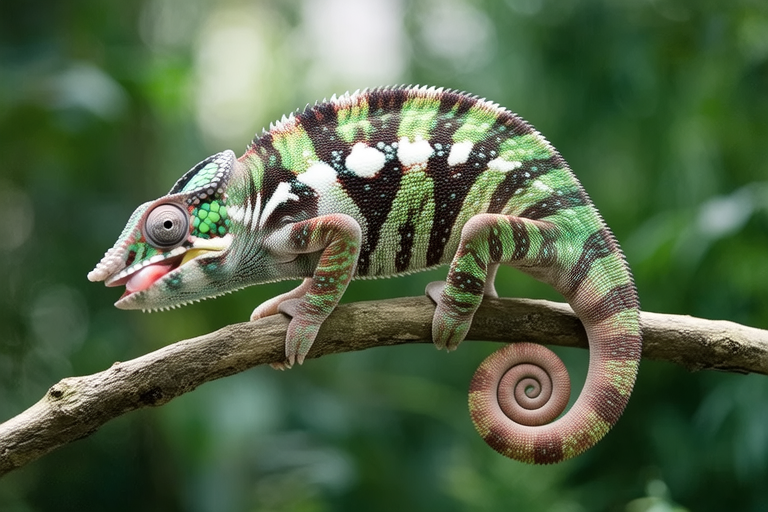
While many believe chameleons change color only for camouflage, they actually use this ability for much more than just blending into their surroundings. The rapid color changes are primarily used for communication and temperature regulation. Chameleons can signal their mood, health status, or readiness to mate through a complex system of skin pigmentation cells called chromatophores. This makes their color shifts not just visually stunning but also highly functional in their social interactions.
2. ZOOMING TONGUES: The Fastest Animal Strike
Chameleons possess one of the most remarkable hunting techniques in the animal kingdom. Their tongues can extend up to twice the length of their bodies at speeds reaching 26 body lengths per second. This lightning-fast action allows them to catch insects mid-air with precision and speed, making it nearly impossible for prey to escape. What’s even more astonishing is that this feat happens in less than a hundredth of a second, faster than the human eye can perceive.
3. Eyes Independent of Each Other
One of the most unique features of chameleons is their independently rotating eyes. This adaptation enables them to look in two different directions simultaneously. While one eye focuses on potential threats, the other can be scanning for food or observing its environment. This binocular vision provides them with a 360-degree field of view, giving chameleons a significant advantage in both defense and offense.
4. Specialized Feet for Tree Climbing
Chameleons are well-equipped for life among the trees. Their feet are divided into two groups of toes that grip branches firmly. The inner group contains two toes, and the outer group has three, creating a ‘V’ shape that allows for excellent traction. This design, known as zygodactylism, helps chameleons maintain balance and stability as they move along narrow branches or climb steep surfaces. Additionally, their prehensile tails further enhance their agility and climbing prowess.
5. Silent Hunters: Vocalization Limitations
Despite their vibrant colors and impressive physical attributes, chameleons are generally silent hunters. They lack vocal cords and therefore cannot produce sounds like other animals. Instead, they rely heavily on body language, color changes, and visual displays to communicate. This silence contributes to their stealth when stalking prey, ensuring they remain undetected until it’s too late for their unsuspecting victims.
6. Temperature-Sensitive Vision
Chameleons have an unusual ability to detect temperature variations in their environment. Their eyes are sensitive to infrared radiation, which allows them to sense heat signatures from distant objects or prey. This thermal sensing capability gives chameleons an additional layer of awareness, helping them locate warm-blooded creatures even in low-light conditions. It’s like having built-in night vision goggles!
7. Unique Sleep Patterns
Unlike many animals, chameleons don’t sleep in the traditional sense. Instead, they enter a state of torpor where their metabolic rate slows down significantly. During this period, they conserve energy by reducing their body temperature and heart rate. This adaptation helps them survive during periods of scarce resources or extreme weather conditions, allowing them to remain active for longer periods when food is abundant.
8. Extensive Tail Use
A chameleon’s tail serves multiple purposes beyond just balance. It acts as an additional limb, allowing them to grasp branches or objects while moving. Some species use their tails for defensive purposes, wrapping them around attackers to deter predators. Moreover, the tail plays a crucial role in mating rituals, where males may display their tails to attract females or intimidate rivals. The versatility of the chameleon’s tail showcases the ingenuity of evolutionary design.
9. Diverse Diet Beyond Insects
Contrary to popular belief, chameleons are not strictly insectivorous. Many species supplement their diet with plant matter, including leaves, fruits, and flowers. This dietary flexibility enhances their survival chances, especially in environments where insect populations fluctuate. By incorporating vegetation into their meals, chameleons ensure a more balanced intake of nutrients, contributing to overall health and longevity.
10. Longevity Among Reptiles
Compared to other reptiles, chameleons tend to live relatively long lives. With proper care and suitable living conditions, some species can reach ages of 5 to 10 years in captivity. Factors such as species type, habitat quality, and genetic predisposition influence lifespan. For instance, larger species generally outlive smaller ones due to slower metabolic rates and better resistance against environmental stressors. Understanding the factors affecting chameleon longevity can help pet owners provide optimal care for these fascinating creatures.
In conclusion, chameleons continue to amaze us with their extraordinary adaptations and behaviors. From their remarkable color-changing capabilities to their silent yet effective hunting methods, these reptiles exemplify the wonders of nature. By exploring these lesser-known facts, we gain deeper appreciation for the complexity and beauty of chameleon biology. Whether you’re a seasoned herpetologist or simply curious about wildlife, there’s always something new and exciting to discover about these captivating creatures.
