How Ragdolls Became the Internet’s Favorite Feline
The internet is a vast playground for all sorts of content, but one particular breed of cat has managed to capture the hearts and minds of millions around the world: the Ragdoll. Known for their affectionate nature and striking appearance, these felines have become a favorite among internet users, with their images and videos going viral time and again. This article delves into the history and characteristics of Ragdoll cats, their increasing popularity online, notable viral moments or personalities, reasons behind their appeal on social media, and how this has impacted their reputation as pets globally.
A Brief History of Ragdoll Cats
The origins of the Ragdoll cat can be traced back to the 1960s when Ann Baker, a breeder from Riverside, California, began selectively breeding Persian and Burmese cats. She aimed to create a breed that would embody the ideal of a docile, affectionate, and easily trainable companion animal. The result was the Ragdoll, named for its tendency to go limp and relax like a rag doll when picked up. Over time, the breed gained recognition from various cat registries, including The International Cat Association (TICA) and the Cat Fanciers’ Association (CFA).
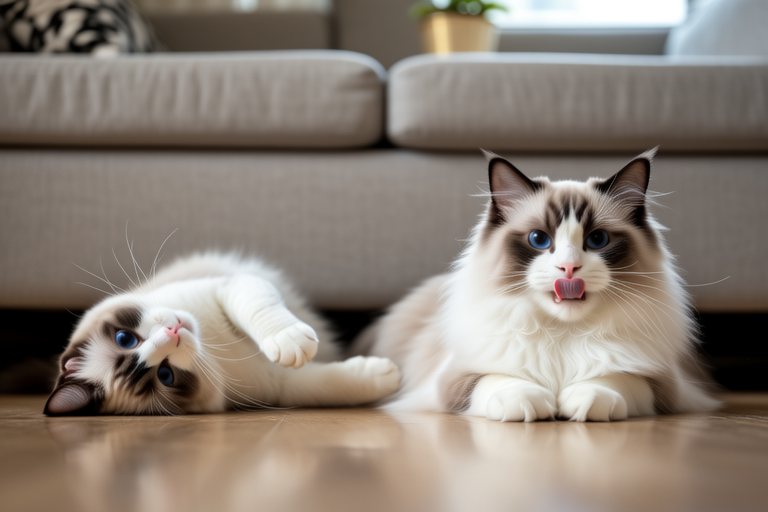
Ragdolls are medium to large-sized cats with a semi-longhair coat that comes in several colors and patterns. They have striking blue eyes, a broad face, and a muscular yet graceful body. Their coats require regular grooming to maintain their luxurious appearance, making them an excellent choice for those who enjoy pampering their pets. Despite their elegant looks, Ragdolls are known for their laid-back demeanor and love of human companionship, which has contributed significantly to their popularity both online and off.
Increasing Popularity Online
In recent years, Ragdolls have experienced a surge in popularity thanks to their frequent appearances on social media platforms such as Instagram, TikTok, and YouTube. These cats have been featured in countless posts, reels, and videos showcasing their unique personalities and endearing behaviors. From playful antics to serene moments of relaxation, there seems to be no shortage of content featuring these beloved felines.
One reason for their success online is the ease with which they can be filmed and photographed. Ragdolls often pose in adorable positions or display quirky expressions that make for perfect shareable content. Additionally, many owners document their daily lives with their pets, providing followers with an intimate look at what it’s like to live with a Ragdoll. This personal touch helps build connections between creators and their audiences, fostering a sense of community among fans of the breed.
Notable Viral Moments and Personalities
Several individual Ragdolls have achieved internet fame through their distinctive personalities or remarkable feats. For example, Bodhi, a Ragdoll owned by YouTuber Kiki and Mark, became widely recognized for his ability to perform tricks similar to those seen in dog training videos. His videos demonstrate how intelligent and trainable Ragdolls can be, challenging the notion that cats are unteachable creatures.
Another famous figure in the world of Ragdoll internet stardom is Pumpkin, whose owner, Laura, shares regular updates about her adventures on Instagram. Pumpkin’s posts often highlight her curious nature and adventurous spirit, showing that while Ragdolls may be known for being calm, they still possess a playful side that keeps them entertained and engaged.
These examples illustrate just some of the ways in which specific Ragdolls have captured public attention through their unique traits and interactions with their owners. By sharing stories and experiences involving these charismatic cats, owners help spread awareness about the breed while also entertaining others.
Reasons Behind Their Appeal on Social Media
There are numerous factors contributing to why Ragdolls resonate so well with internet users. Firstly, their physical appearance plays a crucial role in attracting attention; their large size, plush coats, and striking features make them visually appealing subjects for photographs and videos. Secondly, their temperament aligns perfectly with what many people seek in a pet – namely, companionship without overwhelming demands.
Ragdolls are often described as being incredibly affectionate towards humans, forming strong bonds with their owners and seeking out close contact whenever possible. This trait makes them ideal candidates for heartwarming content designed to evoke positive emotions from viewers. Moreover, their tendency to remain relaxed even during stressful situations adds another layer of charm to their appeal.
Finally, the accessibility of creating and sharing content related to Ragdolls has played a significant part in boosting their visibility across various digital platforms. With smartphones equipped with high-quality cameras becoming increasingly common, more individuals than ever before have the opportunity to capture memorable moments involving their pets and share them with others instantly. As a result, stories about Ragdolls continue to circulate widely throughout cyberspace.
Impact on Global Reputation as Pets
The rise of Ragdolls as internet sensations has had far-reaching consequences beyond mere entertainment value. It has helped solidify their status as desirable pets worldwide by introducing potential adopters to the breed’s desirable qualities through relatable narratives shared by fellow cat lovers.
For instance, prospective owners might learn about the gentle disposition and adaptability of Ragdolls after watching videos depicting them interacting harmoniously within different household settings. Such exposure could encourage individuals who were previously unaware of this particular breed to consider adopting one as part of their family.
Additionally, increased awareness surrounding Ragdolls has led to greater demand for them in certain regions where interest in owning pedigree cats is particularly strong. Breeders may find themselves busier than ever catering to this heightened interest, potentially influencing breeding practices over time if proper precautions aren’t taken against irresponsible proliferation.
However, it is important to note that with rising popularity comes responsibility. Ensuring ethical treatment of animals remains paramount regardless of how much attention they receive online. Therefore, advocates for responsible pet ownership must work together to promote healthy adoption practices alongside appreciation for beloved internet stars.
Conclusion
The journey of Ragdoll cats from niche breed to global sensation showcases how powerful social media can be in shaping perceptions and influencing trends. Through captivating visuals and heartfelt storytelling, these charming felines have secured their place as icons within internet culture. While their newfound fame brings opportunities for education and enjoyment, it also highlights the importance of maintaining ethical standards when dealing with living beings.
As we move forward into an era dominated by digital communication, let us remember that behind every viral moment lies a real-life animal deserving of respect and care. May our fascination with Ragdolls inspire us all to approach pet ownership thoughtfully and compassionately.
