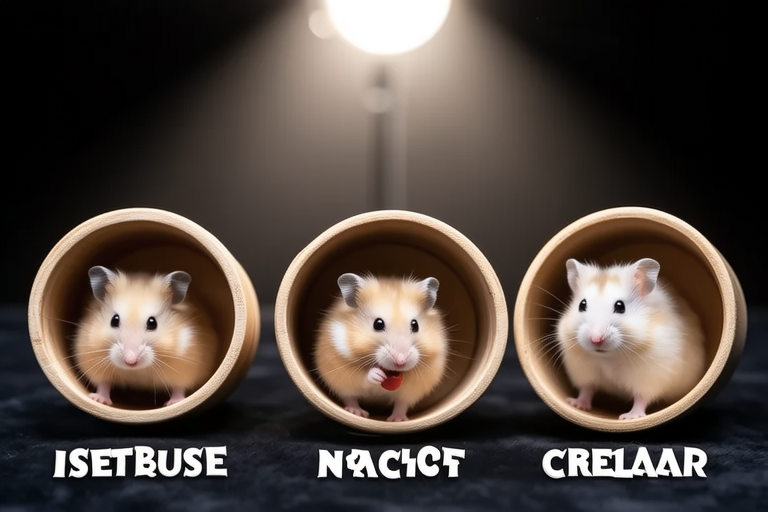
The Top 5 Myths About Hamsters Debunked Once and For All
Hamsters have long been cherished companions for pet lovers worldwide. Their small size, cute appearance, and relatively low maintenance make them an ideal choice for first-time pet owners and apartment dwellers alike. However, with the surge in popularity comes a plethora of misconceptions and myths about these furry friends. Many of these myths can lead to improper care, stress for the animal, and even health issues. In this article, we aim to debunk the top five myths about hamsters, offering scientifically backed information and expert advice to ensure you provide your hamster with the best possible care.
Myth 1: Hamsters Are Nocturnal Creatures
One of the most widely believed myths about hamsters is that they are strictly nocturnal creatures, meaning they are active only at night. While it’s true that hamsters tend to be more active during the evening hours, they are actually crepuscular animals. This means they are most active during twilight periods, which include early morning and late evening. Understanding this behavior pattern is crucial for creating a comfortable environment for your hamster.
Experts recommend setting up a consistent routine for your hamster, mimicking the natural light cycles they would experience in the wild. Provide ample hiding spots and dark areas within their cage to allow them to rest during daylight hours. By doing so, you help ensure your hamster gets the necessary sleep it needs, which is essential for its overall well-being.
Myth 2: Hamsters Need to Hibernate
Another popular misconception is that hamsters hibernate during colder months, similar to bears. This belief likely stems from the fact that hamsters are often found curled up in a ball when inactive. However, hamsters do not hibernate. Instead, they enter a state known as torpor, which is a temporary state of decreased physiological activity.
Torpor is a survival mechanism that helps hamsters conserve energy during times of food scarcity or extreme temperatures. Unlike hibernation, torpor does not last for extended periods and can occur at any time of the year. To prevent your hamster from entering torpor due to environmental factors, maintain a stable temperature in their living space, ideally between 68°F and 79°F (20°C to 26°C).
Myth 3: Hamsters Can Survive on Seeds Alone
Many people mistakenly believe that hamsters thrive on a diet consisting solely of seeds. While seeds are a part of a hamster’s diet, they are not sufficient to meet all their nutritional needs. A balanced diet for hamsters includes a variety of fresh vegetables, fruits, and high-quality commercial hamster pellets. Seeds are high in fat and carbohydrates but lack essential vitamins and minerals that hamsters require.
Feeding your hamster a diet rich in diverse nutrients promotes better health and longevity. Introduce a mix of safe vegetables like carrots, broccoli, and spinach, and offer small portions of fruits such as apples and berries. Always introduce new foods gradually to monitor for any adverse reactions. Additionally, consult with a veterinarian to determine if any dietary supplements are necessary based on your hamster’s specific needs.
Myth 4: Hamsters Enjoy Being Held
It’s a common assumption that hamsters enjoy being held and cuddled like many other pets. While some hamsters may become accustomed to gentle handling over time, most prefer to interact on their terms. Hamsters have delicate bodies and can easily become stressed or frightened when picked up, leading to potential injuries or behavioral issues.
To foster a positive relationship with your hamster, start by allowing them to get used to your presence through quiet interactions near their cage. Gradually extend this interaction by placing your hand inside the cage for them to sniff and explore. Once your hamster feels comfortable, you can begin holding them for short periods, always supporting their body and avoiding sudden movements. Remember, patience and consistency are key in building trust with your hamster.
Myth 5: Hamsters Don’t Need Toys
Some hamster owners believe that since hamsters are small and live in cages, they don’t need toys. However, providing toys and enrichment activities is crucial for their mental and physical health. Hamsters are intelligent and curious creatures that require stimulation to prevent boredom and associated behaviors like excessive chewing or digging.
Incorporate a variety of toys into your hamster’s environment, such as tunnels, exercise wheels, and chew sticks. Rotate these items periodically to keep things interesting. Additionally, consider supervised playtime outside the cage to encourage exploration and physical activity. Regular engagement will help your hamster stay healthy and happy, enhancing your bond with them.
General Tips for Proper Hamster Care
Now that we’ve debunked these common myths, here are some general tips to ensure your hamster lives a healthy and fulfilling life:
- Proper Housing: Provide a spacious cage with multiple levels and enough room for your hamster to move around comfortably. Include nesting material, bedding, and designated areas for eating, sleeping, and toileting.
- Safe Environment: Ensure there are no sharp edges or small parts in the cage that could harm your hamster. Keep the cage away from direct sunlight and drafts.
- Grooming: Regularly clean your hamster’s cage to prevent the buildup of bacteria and odors. Bathe your hamster sparingly, as they are self-groomers.
- Veterinary Care: Schedule regular check-ups with a veterinarian who specializes in small animals. Be aware of signs of illness, such as lethargy, loss of appetite, or changes in bathroom habits.
- Social Interaction: Spend quality time with your hamster daily, engaging in activities they enjoy. This interaction is vital for their emotional well-being.
By understanding and addressing these common myths, you can provide your hamster with the best possible care. Remember, responsible pet ownership involves continuous learning and adaptation to ensure your pet’s happiness and health. Happy hamster keeping!
